Time & Workforce Management
Optimise productivity and well-being with smarter time and workforce planning. Discover how European organisations use data, automation, and flexible scheduling to create effective operations and a better employee experience.

Five warning signs: when your Workforce Management solution fails to WOW
Since legal requirements for time tracking came into force, many businesses have some kind of workforce management solution in place out of necessity. In a lot of cases, it’s the easiest and cheapest way they could find to remain compliant, whether it’s online, on paper, or a bit of both. While this may solve the problem in the short-term, it might be surprising to realise just how much it can cost a business over time.
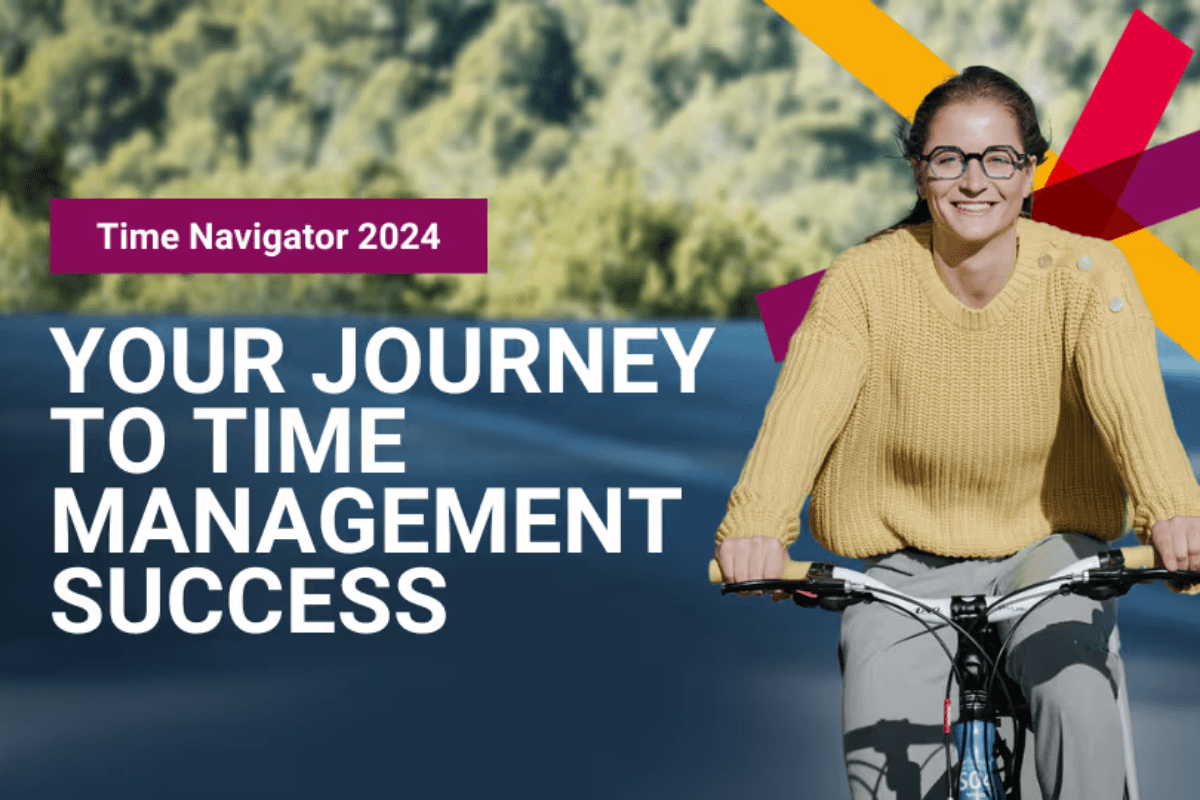
Unlock the Future of Work: Download the Time Navigator Report
Discover how 23,000+ HR professionals and employees across 18 European countries—including 5,000+ from the UK—are redefining productivity, flexibility, and employee well-being in the workplace. Our Time Navigator Report is your essential guide to navigating today’s complex work environment.

Webinar Recap: Digital Time Management and Employee Wellbeing
SD Worx recently joined forces with Executive Leaders Network and Deloitte for a captivating webinar entitled "How Digital Time Management Can Drive Employee Wellbeing". It convened industry experts to discuss how we can foster a positive employee experience by managing complex, hybrid workflows, leveraging simplicity and usability, and prioritising the human aspect, all while ensuring employee wellbeing and efficiency in the workplace.

Time management & cognitive bias: why is estimating our working hours so hard?
We should be able to define the length of time it will take us to perform a particular job, but reality is very different and shows consistently exceeded execution times.
This underestimation of the amount of time required has a name: cognitive bias in planning. So what are the solutions to address this and complete tasks within the allotted time?

What are the International Labour Organisation’s best practices for effective workforce management?
The benefits of organising working time and a reduction of the number of working hours have yet again been confirmed by a study carried out by the International Labour Organisation (ILO). The implementation of an innovative and proactive policy stands to benefit the employee and the company alike.

Choose the right digital Workforce management solution, with help from the WOW Finder
The right workforce management solution benefits your company at every functional level. You should expect more transparency, flexibility, autonomy—all of which are essential for a great employee experience. However, these benefits probably only come as standard with some of the suppliers you consider. Choosing between them is one the most important ways to ensure your workforce management set-up is a success. So where do you start?
What will the workplace of tomorrow look like in Europe?
This is obviously not a surprise, but the meaning that workers give to the office will not be the same in different countries. Perceptions, but also needs and other expectations will differ according to culture.
Whether it is a place of life and social interaction for some, a purely professional place for others, or a shared versus individual workspace, each nationality has its own unique conception of the office.

Time tracking as a tool for a healthy work-life balance
Flexible working schedules challenge employees to keep track of their worktime. Time registration can help to maintain or restore a healthy work-life balance.

Is the gig economy coming for our jobs?
Gig is hot. It’s estimated that 5 million people in the UK alone make a living from the ‘gigs’ they do. Should all contracted workers fear for their jobs? Equally important: what can employers learn from (mainly) youngsters’ thirst for freedom – to do whatever, whenever? Simon Parsons, Director of UK Compliance Strategies at SD Worx, explains.

Elevate productivity by integrating workforce management with payroll
In recent years, businesses have had to keep pace with changes in momentum. They have been forced to mobilise a remote workforce, sometimes operating across numerous locations. As the pressure to adapt increases and businesses respond to fluctuating demands, having oversight of an entire workforce is more necessary now than ever before.
Workforce Management and the War for Talent
Rapid and irreversible change during the pandemic saw businesses scrambling to adapt at a speed not seen before. While underlying, fundamental changes have been occurring for some time, the need to change is now becoming urgent, says HR expert Luc Bossaert from Adessa (part of the SD Worx Group).
Empowering employees with workforce management
Workforce management software brings numerous benefits to your organisation. From giving your teams more time to spend on strategic tasks, to being confident they’re working with the right data, and preventing workload imbalances. These are significant gains for your organisation as a whole, but what about your employees? How do they benefit from workforce management – what’s in it for them?